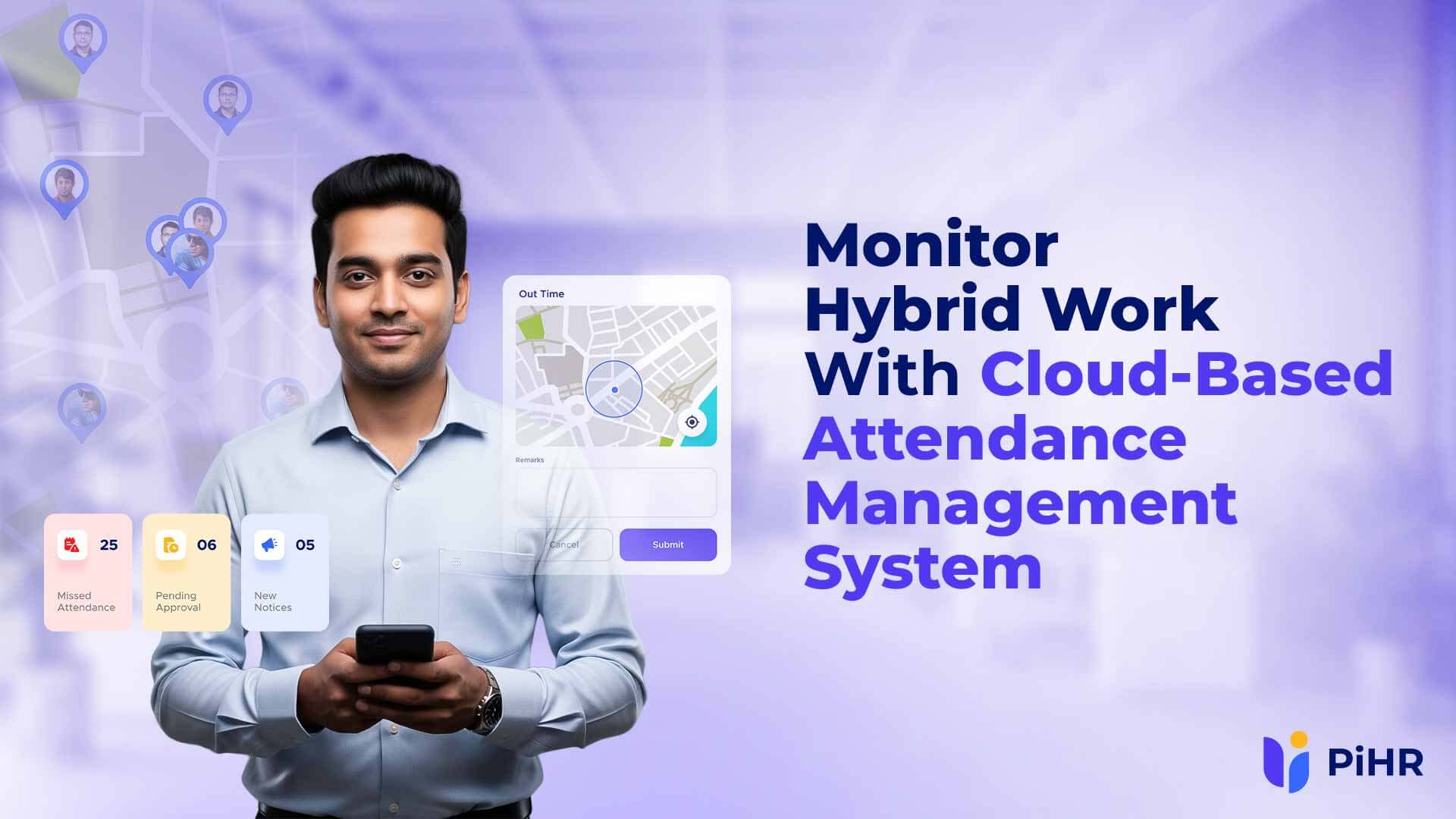
After the COVID-19 pandemic, Bangladesh has experienced a marked growth in the hybrid work model. That, in turn, has made the traditional tracking methods inadequate. This shift towards flexible work requires organizations and businesses to implement a cloud-based management system to ensure effective monitoring of the hybrid workforce.
The cloud-based attendance management system uses cloud computing to simplify tracking tasks. In Bangladesh, cloud-based HR software like PiHR is designed to meet the local needs. Its GPS-based attendance, biometric integration, real-time tracking, automated calculations, reporting, analytics, and mobile access ensure transparency in-office and in-home work setups, enhancing employee engagement and organizational performance.
What Is a Cloud-Based Attendance Management System?
A cloud-based attendance management system is a type of digital solution for employee tracking. It uses cloud computing to track the attendance of employees at work or remotely. The leave management, payroll integration, and, on top of that, mobile accessibility features of the cloud-based attendance management ensure effective employee management from anywhere. Unlike traditional methods like paper registers or punch cards, cloud-based systems reduce errors with enhanced accountability.
What Is Hybrid Work?
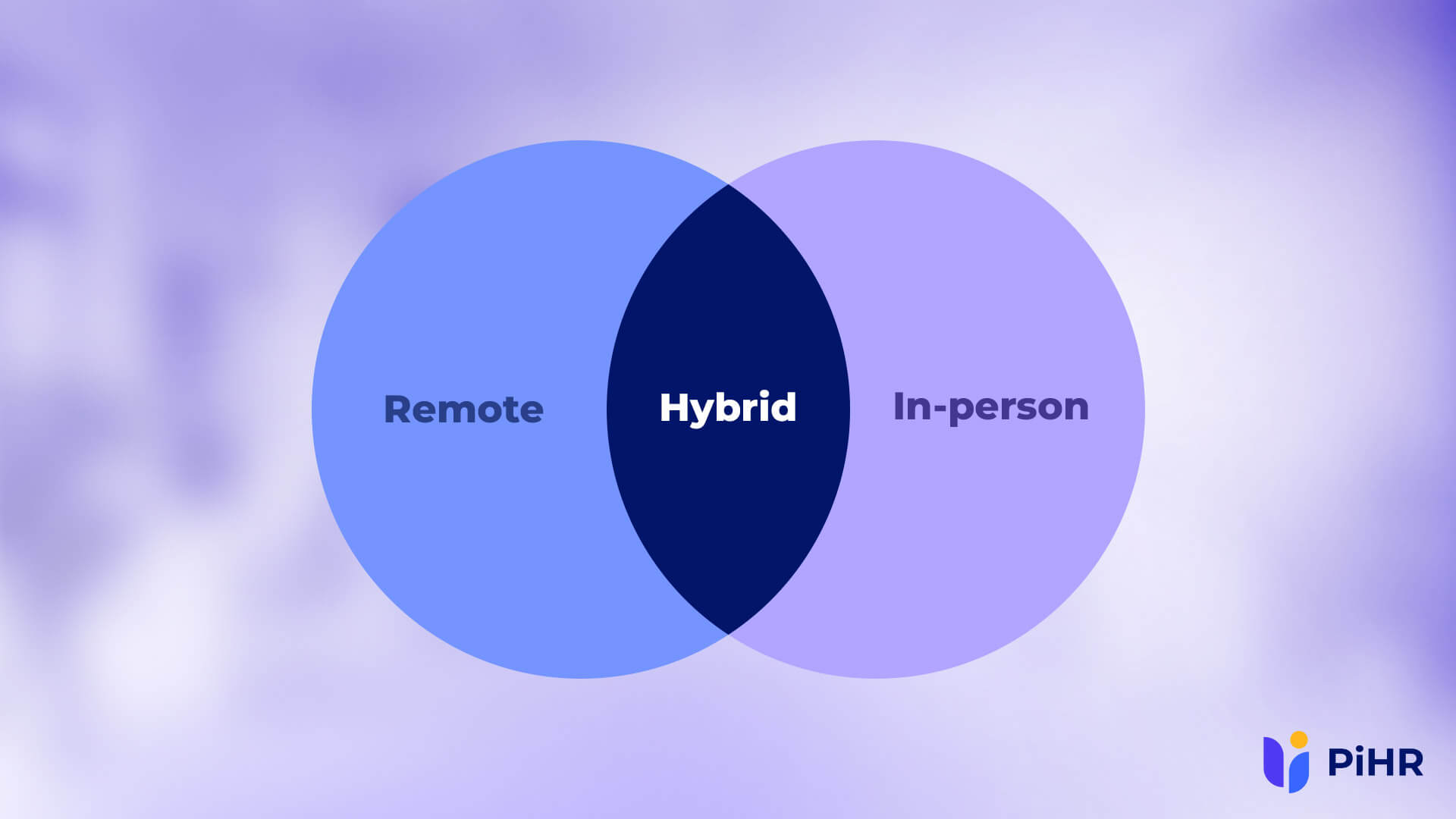
Hybrid work is a type of flexible work model where employees can divide their time between working at the office and working remotely. Here, instead of being stuck as a full-time office worker or full-time remote worker, employees can have an ideal mix based on their needs and preferences.
Why Is Hybrid Work Attendance Monitoring Important?
In recent times, a hybrid schedule offers employees the most-needed flexibility for work. However, this makes attendance tracking challenging, as employees divide their time between office and remote locations.
- Keeps an accurate record of in-office and remote work.
- Ensures employees stay focused and complete tasks on time.
- Helps employers to maintain accountability by knowing who is working and when.
- Prevents errors in salary calculations as it records exact work hours.
- Helps to maintain compliance with labor laws and internal company policies.
What Are the Key Features of Cloud-Based Attendance Systems for Hybrid Work Environments?
Cloud-based attendance systems ensure the most effective employee attendance tracking in the hybrid workplace with their efficient features. The following are some of the notable ones.
- Real-Time Attendance Tracking: The system monitors employee check-ins and check-outs instantly in both remote and in-office work.
- Task and Project Tracking: It keeps an accurate track of the ongoing projects and the completion of tasks.
- Effective Payroll Management and Integration: Based on the accurate employee work hours, it calculates salaries automatically and adds overtime, integrating payroll management systems.
- Reporting and Analytics: Cloud-based attendance systems provide comprehensive insight into employee productivity and workforce trends.
- Cross-Platform Access: You can access attendance data from laptops, tablets, or even with your mobile devices; do not need to rely on office computers only.
How to Monitor Hybrid Work with Cloud-Based Attendance Systems?
Hybrid work team monitoring requires the right tools to balance accountability and flexibility. That is where a cloud-based system offers a structured and efficient way to track hours in remote and office setups with cloud based attendance management software.
Install and Set Up a Cloud-Based Time Tracker
In the hybrid work environment, as keeping employee work hours is difficult, installing a cloud-based time tracker ensures you can monitor efficiently. Its real-time reporting lets the managers see the work hours without disrupting the flexibility.
Where the task assignment tracking ensures deadlines are met and projects stay on schedule, idle time monitoring highlights potential inefficiencies. In simple words, due to cloud accessibility, employees can log hours from any device, which makes the tracking easy even across locations.
Enable Digital Check-Ins and Check-Outs
Enabling the digital check-ins and check-outs allows the employees to log their start and end times easily, irrespective of in-office or remote work. Digital check-in ensures accurate record-keeping and accurate work hours. The system allows flexible logging without compromising accountability for the remote workers.
As for in-office employees, digital check-ins speed up attendance recording and integration with the office systems.
Automate Attendance Management
Attendance management that even automates being out of the traditional methods efficiently reduces errors and manual efforts. Cloud-based systems can integrate efficiently with calendar tools and work schedules. As you can sync with the team calendars, you can record attendance based on scheduled shifts or project timelines for employees in different locations or time zones.
Automatic attendance calculation also handles overtime and leaves management. So the records for payroll and performance analysis always come with precise work hours.
Generate and Store Work Reports
Cloud-based attendance systems have central storage that ensures all attendance and performance data is organized and secure.
You can get access when needed. With the help of these work reports all in a place, you can analyze the work patterns of your employees. The analytical tool of the system helps identify areas for improvement in employees’ attendance and monitor workload distribution to make informed decisions.
Track Office Hours and Remote Work Hours
When your organization has a hybrid team, it requires clear separation between the in-office and remote work hours for accurate calculation. And here, cloud-based attendance systems manage this differentiation and give you a precise view of when and where employees are working.
Where the system records accurate check-ins and work hours automatically during remote work hours, it captures office attendance through location-based or biometric verification.
Maintain Transparency with Employee Data
Cloud-based management systems help to maintain accountability and trust in a hybrid work environment through their transparent reporting. It creates transparent visibility as it automatically records remote work hours and task progress in a centralized dashboard.
When the attendance and work data are clearly visible, the employers can assess employee performance fairly. At the same time, it maintains employee trust as they are aware their efforts are accurately recorded.
What Are the Challenges in Monitoring Hybrid Work Attendance and How to Overcome Them?
As the hybrid work models also include in-home work hours, challenges arise even with employee engagement, not just with tracking hours. It is important to understand the challenges beforehand to tackle them professionally.
Dealing with Employee Distractions: In remote work setups, home tasks, social media, plus other uncountable interruptions cause easy distraction and affect productivity. Cloud-based attendance systems track the active work hours and the idle time, helping employers identify the productivity gaps.
Managing Time Zone Differences: As the hybrid work teams often work in different time zones, it becomes challenging to track attendance accurately and coordinate deadlines. Sometimes it even leads to confusion in scheduling and payroll calculations. The cloud-based system automatically adjusts schedules and tracks work hours as it is operated based on each employee’s local time.
Lack of Employee Trust: Employees may feel micromanaged due to constant surveillance. This type of monitoring leads to lower engagement rather than supporting productivity.
The self-service access of the cloud-based system allows employees to see their own attendance records and verify their accuracy. In turn, it reduces the perception of unfairness or biased record-keeping.
Maintaining Work-Life Balance: In working from home, work hours often tend to extend into personal time because there are no clear boundaries. As the cloud-based systems track work hours, breaks, and overtime automatically, it helps employees maintain boundaries. It also offers accurate data for fair evaluations to the employers.
Is it Legal to Monitor Employee Attendance Remotely?
It is generally legal and does not constitute any legal violation to monitor employee attendance remotely. However, it must have to comply with the Federal and State laws. Federal laws and state laws have discretion about how far they can go with the monitoring. It includes monitoring employee work hours and employee attendance.
However, in general, employers need to inform employees about monitoring and follow the applicable privacy and data protection regulations to ensure compliance.
How Can You Monitor Hybrid Work Attendance Using HR Software?
HR software like PiHR offers a professional and efficient way to monitor hybrid work attendance. Remote or field employees can log their attendance via the PiHR mobile app or web portal from any location.
Moreover, the geo-fencing capabilities of the software record attendance only when employees are within designated geo-fenced areas. It maintains accurate location-based timekeeping. PiHR also supports biometric systems fingerprint and face recognition. With it, you can authenticate employee attendance with time theft reduction.
Can Cloud-Based Systems Integrate with My Payroll System?
You can easily integrate the payroll system of your organization with cloud-based systems like PiHR. It helps to sync employee attendance information automatically. So, salary calculations are accurate and have almost zero chances of manual errors.
What Are the Leading HR Softwares for Hybrid Work Attendance Monitoring?
For your hybrid team attendance monitoring, you can get a number of options. Among them, the leading ones can be PiHR, Apploye, Time Doctor, Hubstaff, or Clockify. All of these platforms offer exceptional features in regard to attendance monitoring. Whether it is geolocation tracking, productivity monitoring, project-based timesheets, or easy-to-use time tracking tools, they help to maintain transparency with compliance.
While each platform helps hybrid teams well, PiHR stands out for its all-in-one approach. It combines attendance tracking with HR & payroll functions for efficient management of hybrid workforces.
What Are the Costs and Features of Cloud-Based Attendance Systems?
The leading platforms for employee attendance monitoring share some common features. For instance, time tracking, project-based timesheets, geolocation tracking, scheduling tools, and detailed reporting for effective attendance monitoring with transparency.
Among them, PiHR stands out with its all-in-one attendance monitoring features, plus HR solutions. Along with some common features, the platform offers shift and leave management, payroll processing, salary calculation, and task management.
On top of that, unlike other leading platforms, PiHR supports smart face recognition. It ensures precise attendance records. Plus, the platform offers these features at an affordable price. Where all the leading platforms cost $2.50 to $25 per user per month, PiHR starts at just BDT 2,500 monthly for up to 25 employees.
What Is the Importance of Data Protection in Hybrid Work Attendance Monitoring?
As the systems store sensitive information about your organization and employees, proper data security is a must to prevent unauthorized access.
Regular system audits, strong password policies, multi-factor authentication, and controlled access maintain regulations from a legal and compliance perspective. This not only ensures the protection of sensitive data but also highlights the benefits of time and attendance tracking, as these systems help monitor employee activity while safeguarding their privacy. It preserves employee trust and upholds privacy rights.
Final Words
A hybrid work schedule can markedly enhance productivity and satisfaction in your business operation. However, you must ensure transparency and understand the employee expectations for office and remote work balance. Although it is legal to monitor the attendance of the remote employee, it must be done in compliance with the regulations. To improve attendance management and improve employees’ attendance, use efficient cloud-based HR software like PiHR which ensures effective and compliant tracking of attendance in hybrid work environments.